How to Present a Candidate to a Client: A Submittal Format That Gets Interviews
A step-by-step format for candidate submittals in construction and skilled trades recruiting, with an email template you can copy and a worked example.
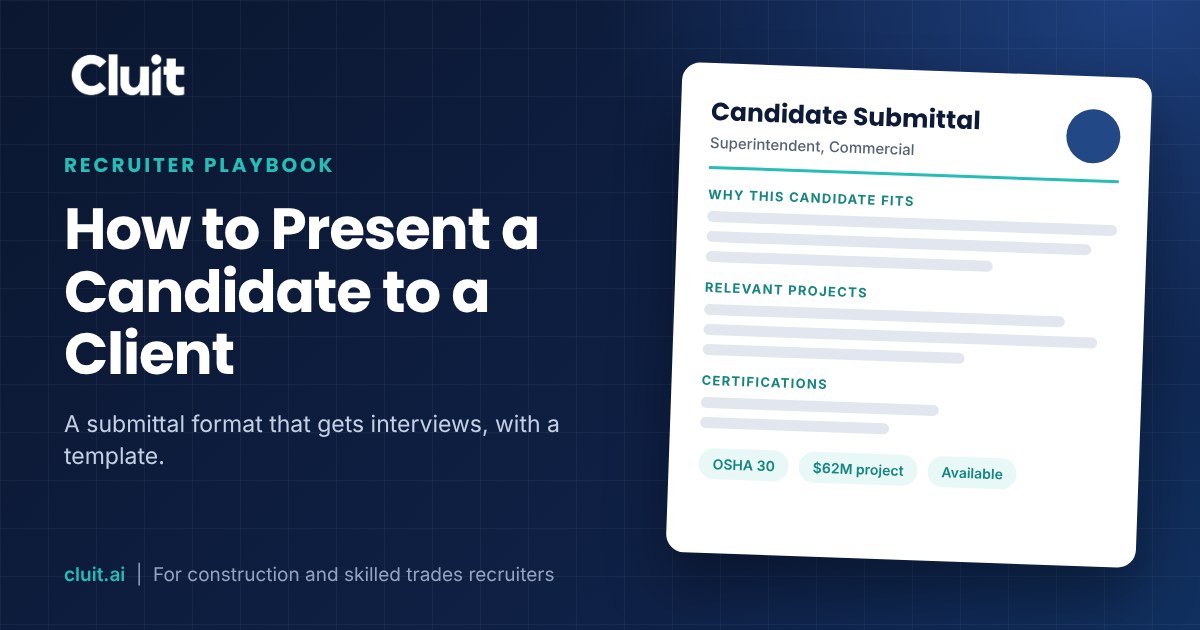
To present a candidate to a client, send a short candidate submittal: a three to five sentence summary of why this person fits the role, a project history that matches the client's work, licenses and certifications with dates, compensation and availability, and a cleanly formatted resume in your agency's template. Lead with fit, keep it to one screen, and make the next step obvious.
Key takeaways
- A submittal is a sales document. Its job is to get the interview, not to repeat the resume.
- Lead with three to five sentences on fit, written against the client's job description.
- In construction, project type, project value, and scope matter more than job titles.
- Put certifications, compensation, availability, and location in a quick-facts block the client can scan in ten seconds.
- Reformat every resume into one consistent, branded layout before it leaves your desk.
What is a candidate submittal?
A candidate submittal, also called a candidate submission, presentation, or write-up, is the package a recruiter sends a client to put a candidate forward for a role. It normally has two parts: a short cover summary written by the recruiter, and the candidate's resume reformatted into the agency's layout.
The resume says what the person has done. The submittal says why this person, for this job, at this company. Hiring managers on construction projects are busy and often read on a phone from a jobsite trailer. The submittal that answers their screening questions fastest gets the call.
What should a candidate submittal include?
| Section | What goes in it | Why the client cares |
|---|---|---|
| 1. Fit summary | Three to five sentences linking the candidate's experience to the specific role. | Tells them in seconds whether to keep reading. |
| 2. Quick facts | Current title, location, availability, compensation expectations, willingness to travel or relocate. | Removes the logistics questions that stall decisions. |
| 3. Relevant project history | Three to five projects with type, value, role, and outcome. | In construction, projects prove capability better than titles. |
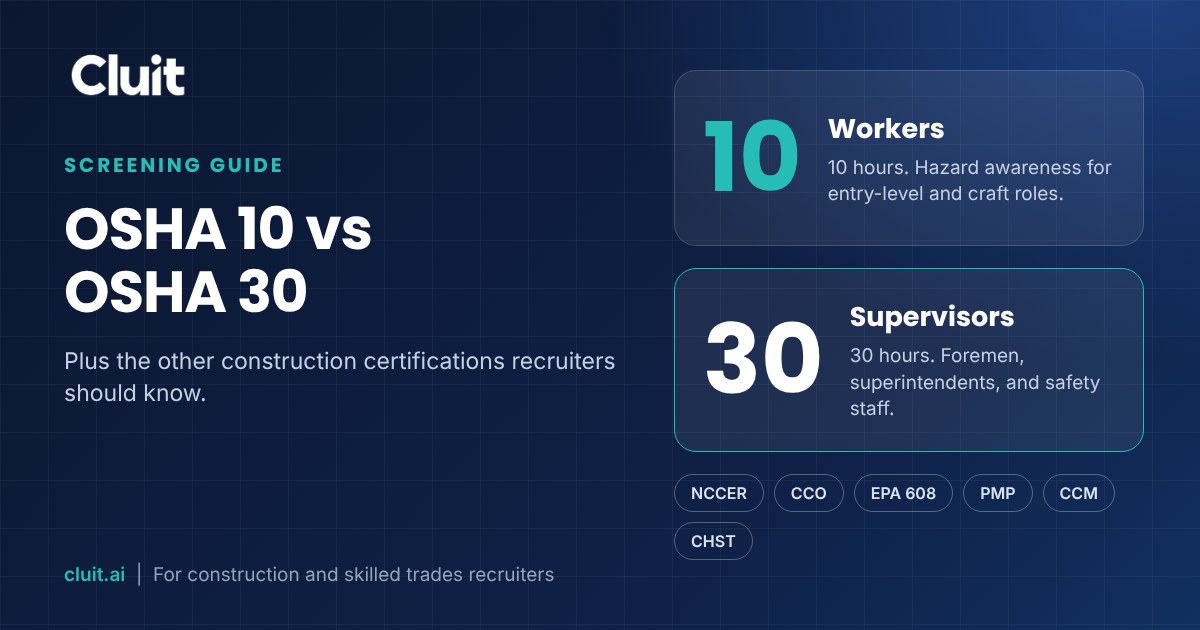
| 4. Licenses and certifications | Each credential with issuing body and date, such as OSHA 30, state licenses, CCO, PMP. | Often a hard requirement from the owner or the site. |
| 5. Recruiter notes | Why they are looking, what motivates them, anything the resume cannot show. | This is the insight a job board cannot give them. |
| 6. Formatted resume | The full work history in one clean, consistent, branded layout. | Easy to read and easy to forward internally. |
If the credentials section is unfamiliar territory, our guide to construction certifications explains what each one means and how to verify it.
How do you present a candidate to a client, step by step?
- Re-read the job description and your intake notes. Pick the three requirements the hiring manager cares about most. Your summary should answer those three, in order.
- Confirm the facts with the candidate. Compensation, availability, location, travel, and their agreement to be submitted. Never submit without the candidate's permission.
- Write the fit summary last, but put it first. Use specifics: project values, building types, crew sizes, years in the role. Skip adjectives like "rockstar" and "dynamic."
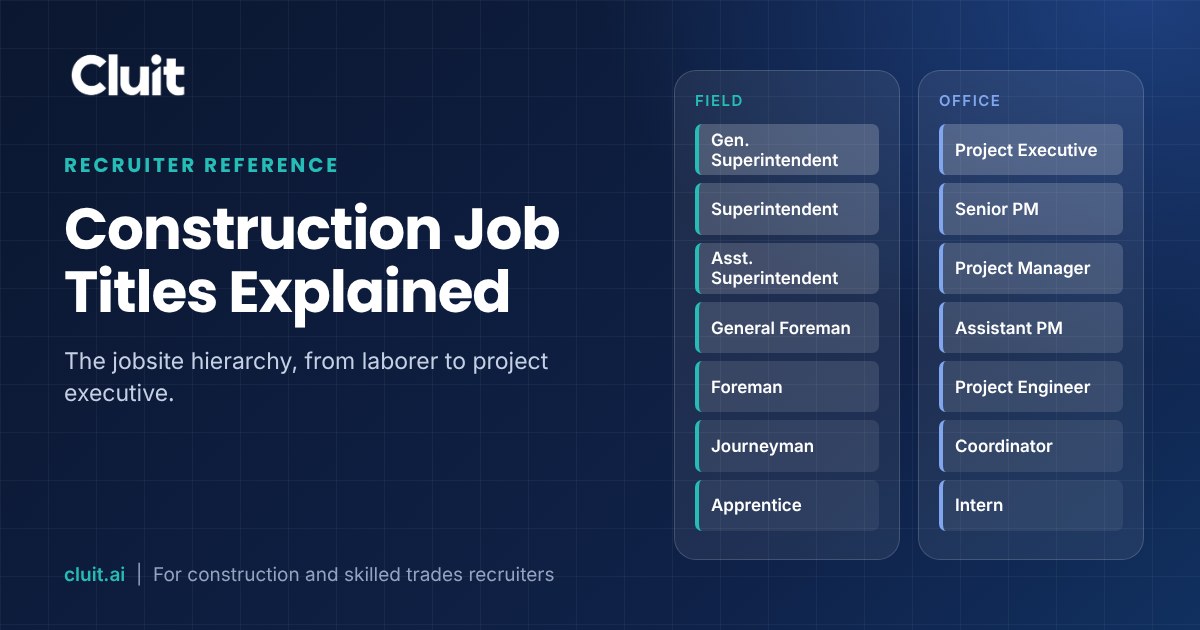
- Build the project history. For construction roles, list project name or type, contract value, the candidate's role, and delivery method. If titles are ambiguous, our construction job titles guide helps you describe scope accurately.
- Clean up the resume. Fix inconsistent dates and formatting, remove the candidate's direct contact details if your agreement calls for it, and put it in your agency template. Do not change the facts.
- Send it with a clear next step. Offer specific interview times. A submittal that ends with "let me know your thoughts" invites silence.
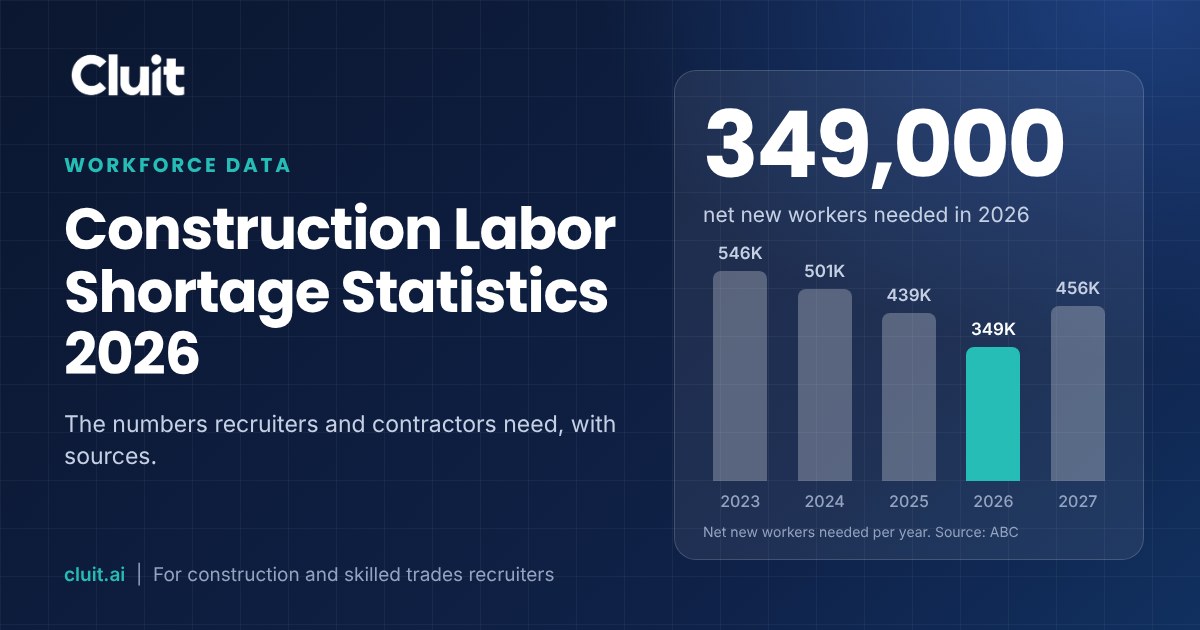
- Follow up within one business day. In a tight labor market, strong candidates do not stay available. See the 2026 construction labor shortage statistics for how tight.
Candidate submittal email template
Copy this, replace the brackets, and keep the whole message to one screen.
What does a good candidate write-up look like?
Here is a filled-in example for a fictional candidate. The details are invented for illustration.
Notice what it does not include: a long biography, soft-skill adjectives, or anything the client has to dig for.
Should you send a blind resume?
A blind resume removes the candidate's name and contact details, and sometimes current employer, before it goes to the client. Recruiters use them to:
- Protect the candidate's confidentiality when they are currently employed.
- Protect the agency's work before terms are signed with a new client.
- Market a strong candidate to several prospective clients.
If you have a signed agreement and the candidate's consent, a named submittal is normal. Either way, the format should be the same so your clients learn where to look.
What mistakes get submittals ignored?
- Forwarding the raw resume. Mixed fonts, three pages of duties, and a personal email address signal that the recruiter added nothing.
- Leading with adjectives. "Hard-working team player" tells the client nothing. "$62M medical office building, three weeks early" does.
- Missing project values. In construction, a title without a project size is hard to evaluate.
- No dates on certifications. The client has to ask, and you lose a day.
- Leaving out compensation. If expectations do not match, everyone finds out after the interview.
- Inconsistent formatting between candidates. When every submittal looks different, the client cannot compare them side by side.
- Submitting slowly. A perfect submittal that arrives after the client has interviewed two other people is still late.
How to format submittals faster
Reformatting is where most of the time goes. Three ways to cut it down:
- Use one template for everything. A fixed layout means you only make formatting decisions once. Cluit's candidate submittal pack templates are built for construction and trades roles and are fully editable.
- Capture facts during the screening call. Ask for project values, certification dates, and compensation while you are on the phone, so you are not chasing them later. Interview scorecards help keep that consistent.
- Let software do the reformatting. Cluit takes an uploaded resume and a pasted job description and produces a clean, submittal-ready candidate pack you can export and send.
Frequently asked questions
How do you present a candidate to a client?
Send a short candidate submittal that leads with three to five sentences on why the candidate fits the role, followed by quick facts such as location, availability, and compensation, relevant project history, certifications with dates, and a cleanly formatted resume. End with specific interview times.
What should be included in a candidate submittal?
A fit summary, quick facts on location, availability, and compensation, relevant project or work history, licenses and certifications, brief recruiter notes on motivation, and the candidate's resume reformatted into a consistent layout.
How long should a candidate write-up be?
Short enough to read on one screen. Aim for a three to five sentence summary plus a few bullet lists. The attached resume carries the detail.
What is a blind resume?
A blind resume is a version of the candidate's resume with the name and contact details removed, and sometimes the current employer. Recruiters use it to protect candidate confidentiality or to share a candidate before client terms are signed.
Should recruiters reformat candidate resumes?
Yes. Reformatting into one consistent, branded layout makes candidates easier to compare, removes distracting formatting problems, and presents the agency professionally. Recruiters should clean up the layout without changing the facts of the candidate's history.
What makes a construction candidate submittal different?
Construction clients evaluate candidates by project experience. A strong construction submittal lists project type, contract value, the candidate's role, and delivery method, and puts safety training and trade licenses near the top.
Turn a messy resume into a client-ready pack in minutes
Upload a resume, paste the job description, and Cluit generates a clean, submittal-ready candidate pack you can export and send. Built for construction and skilled trades recruiters.